
A gorgeous yard enhances any home, but persistent standing water quickly ruins outdoor enjoyment. Those lingering puddles after rain aren’t just unsightly; they damage your lawn, attract pests, and even threaten your home’s foundation. Fortunately, a swampy backyard isn’t inevitable. Identifying why water pools puts you halfway toward a solution.
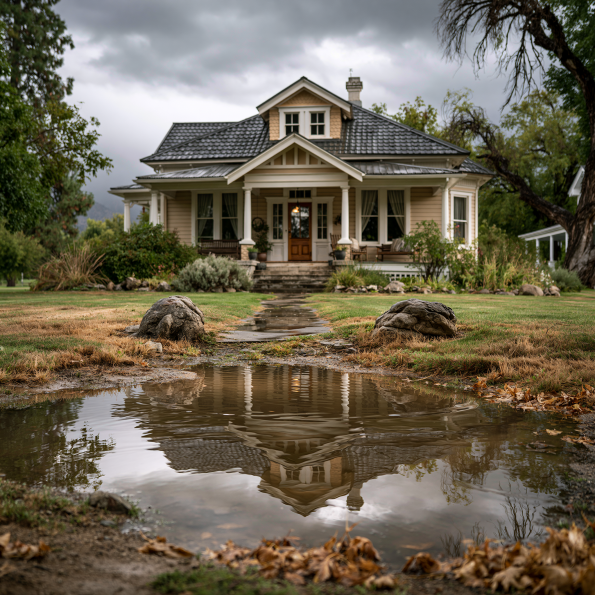
Why Water Pools in Your Yard
Standing water usually stems from a few common issues:
1. Soil Type: Heavy clay soil, prevalent in many areas, absorbs water much slower than sandy or loamy soil.
2. Compacted Soil: Over time, foot traffic, lawnmowers, or construction can pack soil down. This squeezes out vital air pockets needed for drainage.
3. Improper Slope: A flat yard, or one that slopes towards your house, traps water with nowhere to drain. Runoff from roofs, driveways, and patios can also overwhelm your lawn if not properly directed away.
Signs of Poor Drainage
The most obvious sign is water that remains for more than a day after rain. However, watch for these subtler clues too:
• Areas of grass persistently soggy or squishy underfoot, even without recent rain.
• Bare spots where grass struggles to grow.
• Increased mosquito activity (they breed in standing water).
• Moss thriving in consistently damp areas.
• Water marks or dampness along your foundation or basement walls.
Simple DIY Fixes to Try
Before hiring professionals, try these solutions:
• Gutters & Downspouts: Ensure they are clear of debris. Add downspout extenders to channel runoff at least 5-10 feet away from your foundation.
• Aerate Compacted Soil: Pulling small soil plugs allows air, water, and nutrients deeper into the ground, improving absorption.
• Target Low Spots: Build a rain garden in chronically wet areas using plants that thrive in wet soil; they naturally absorb excess water.
When to Consider Advanced Solutions
If DIY fixes aren’t enough, installing a dedicated drainage system may be necessary. The best choice depends on your water source:
• Manage Groundwater (French Drain): Ideal for consistently saturated soil. This system uses a perforated pipe buried in a gravel-filled trench to collect subsurface water and redirect it away from problem zones.
• Control Surface Runoff (Trench Drain): The better solution for water flowing from driveways, patios, garages, or near foundations. This narrow, grated channel, installed flush with the ground, captures runoff before it spreads or pools around structures, directing it safely to an outlet.
Maintaining a Dry Outdoor Space
Prevent future problems with consistent care:
• Clean gutters regularly, especially in fall, to prevent clogs and overflow.
• Inspect downspout extenders yearly to ensure proper water direction.
• Monitor your yard’s slope annually. Soil settling can create new low spots; maintain the proper slope away from your foundation so water naturally flows away.
• Periodically check installed drainage systems.
By promptly identifying standing water causes and implementing the right solution, you protect your landscape, home, and enjoyment of your outdoor space. Regular maintenance ensures your drainage system remains effective for years.


